The best time to visit the Waitomo caves in 2026
The glowworms do not have a season, so this is a crowd question. The busiest months, the quiet stretch, the best departure slots, and why weather matters less than you think.
 Written with Hemi Williams, Waitomo cave guide and local specialist, guiding since 2015
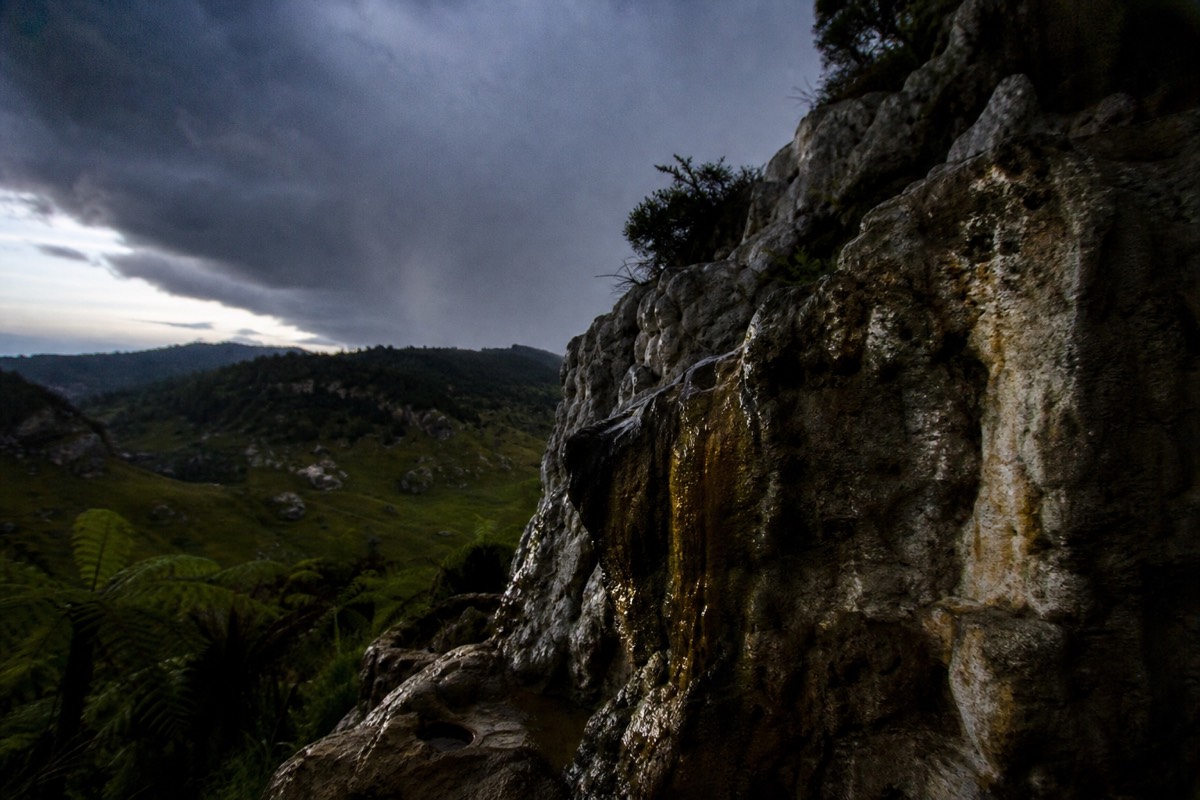
Ask when to visit and most pages will tell you about New Zealand's seasons. That answer is close to irrelevant here. You are going 45 metres into a hill where the temperature never changes and the weather never arrives, to look at an animal that does not hibernate. What you are really choosing is how many people stand next to you while you do it.
Is there a best season to see the glowworms?
No. Arachnocampa luminosa glows all year, the cave holds a constant 16 °C regardless of the month, and there is no window in which the display improves. Brightness varies with how hungry an individual larva is, not with the calendar. Anyone selling you a "glowworm season" is selling you something that does not exist.
The biology is worth understanding, because it explains why. The glow is bait. A larva hangs up to about 30 silk fishing lines, some as long as 50 cm, and lights itself to lure insects onto them. The published research on how the light is produced traces it to a luciferin chemically distinct from a firefly's, peaking blue-green around 480 nanometres. Hungry larvae glow harder because they need to eat. That is the only real variable, and it does not track the seasons.
| What people assume varies | What actually varies |
|---|---|
| Glowworm brightness by season | Brightness by individual hunger |
| Cave temperature by month | Nothing, it holds 16 °C year round |
| Whether the tour runs in winter | Nothing, departures run daily 9am to 5pm |
| How many people are in your group | This one, enormously |
Which months are busiest?
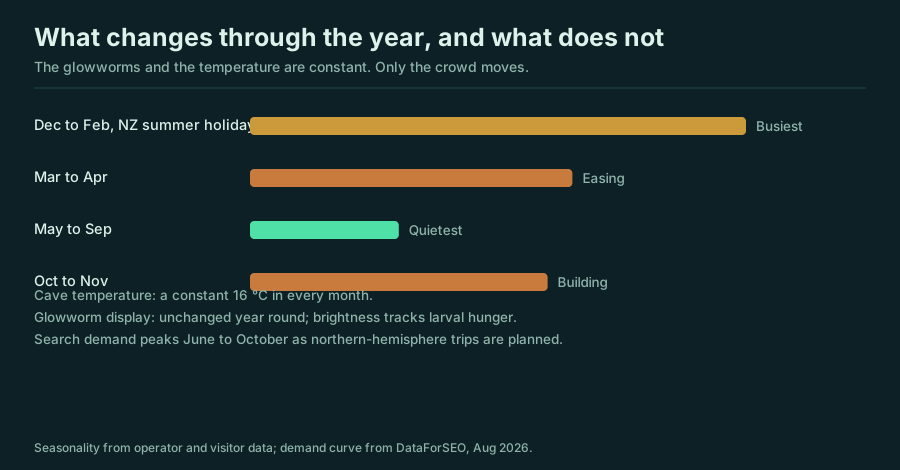
December to February, the New Zealand summer school holidays, and it is not close. May to September is the quiet stretch. The site handles up to 500,000 visitors a year, and they are not spread evenly.
The school-holiday calendar matters more than the weather. New Zealand holidays fall roughly mid-December to January, two weeks in April, two weeks in July and two weeks around September and October, and each of those creates a spike. Northern-hemisphere trip planning adds a second rhythm: search demand for this tour peaks between June and October as people book summer trips to New Zealand, and troughs from February to April.
| Period | Crowd level | Why |
|---|---|---|
| December to February | Peak | NZ summer holidays plus international high season |
| March to April | Busy in patches | Autumn school holidays, otherwise easing |
| May to September | Quietest | Off season locally; wettest roads |
| October to November | Building | Spring school holidays create short spikes |
If your dates are fixed and they land in January, the fix is not to avoid the place. It is to take an early or late departure and book it in advance, because the listing does flag this tour as likely to sell out.
What is the best time of day?
First thing or last thing. The middle of the day is when the coaches arrive. Departures run every 30 minutes from 9am to 5pm, which gives you seventeen slots to choose from and no reason to take the busiest one.
Travellers report groups of around 23 people with tours running back to back through the busy hours. That figure is reported rather than published by the operator, but the pattern behind it is easy to observe: tour buses work to a lunchtime rhythm, and independent drivers arrive when they arrive. The 9am slot and the last slots of the afternoon consistently draw fewer people.
Booking a specific departure is the only way to control this, and it costs nothing to do. The 45-minute guided cave tour lists every slot for your date, and you can check live availability and prices on GetYourGuide with free cancellation up to 24 hours before if your plans move. More on timing your arrival goes into what changes hour by hour.
Does the weather matter at all?
Only above ground, and mainly for the drive. The tour runs daily whatever the sky is doing, and the cave is unaffected. Heavy rain does raise the level of the Waitomo River, which runs through the cave, and prolonged wet weather can affect roads and walkways in the district.
Winter in the Waikato means wet roads and short daylight rather than snow. If you are driving 202 km from Auckland in July, the darkness on the way home is a bigger factor than anything happening in the cave. What actually happens when the river rises covers the wet-weather question properly, and the rain guide is the practical version.
The one genuine weather advantage of a wet day: the free walks in the district, including the 45-minute Ruakuri Bush Walk and the track to the 35-metre Marokopa Falls, are at their best when everything is running.
When should you book?
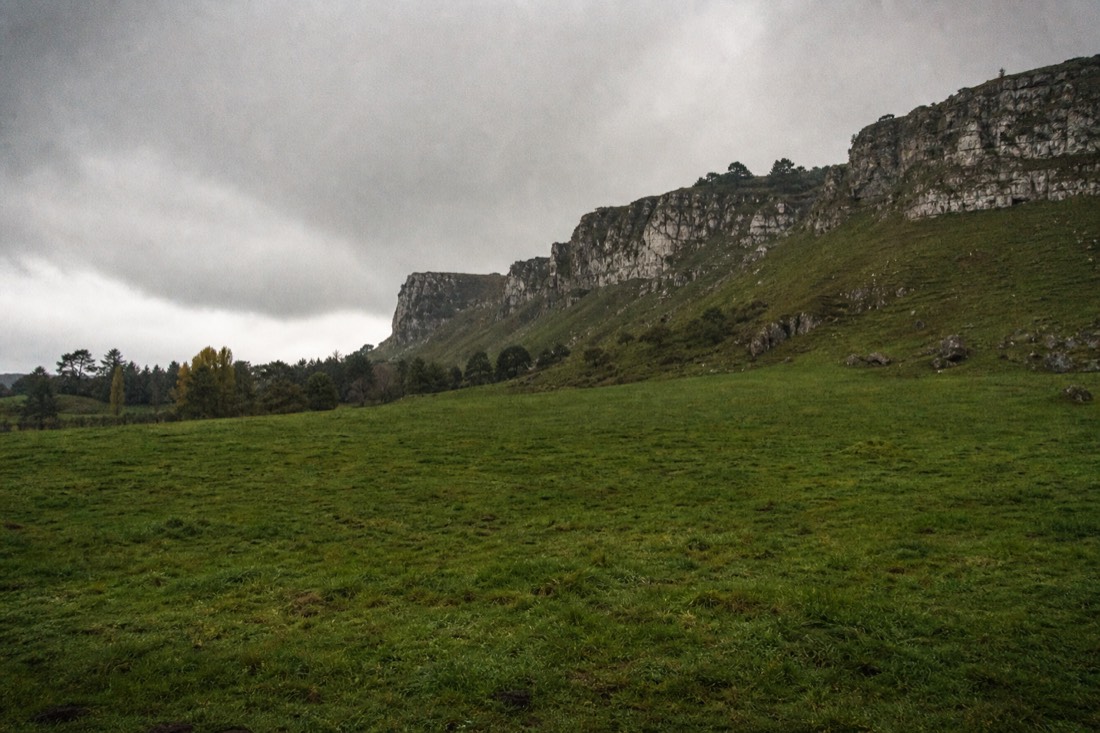
As soon as you have a date, because it costs nothing to hold one. Cancellation on the featured tour is free up to 24 hours before departure, which turns an advance booking into a free option rather than a commitment. The listing carries a "likely to sell out" note, and in the December to February peak that is not marketing language.
| If you are visiting | Book | Because |
|---|---|---|
| December to February | Weeks ahead | Peak season, popular slots go |
| School holiday weeks | Weeks ahead | Domestic demand spikes hard |
| May to September | A few days ahead | Quiet, but slots still fill on weekends |
| Any date at all | Now | Free cancellation to 24 hours means no downside |
If you are still working out whether the tour earns its place in your route at all, the worth-it guide makes the case both ways, and the timing guide shows how the stop fits into a driving day.
What does each month actually feel like at Waitomo?
The cave is identical in every one of them, so this table is about the drive, the daylight and the queue. That is worth restating because most seasonal advice for this place quietly implies the glowworms vary. They do not.
| Period | Crowds | Above ground | Practical note |
|---|---|---|---|
| December to February | Peak, NZ summer holidays | Warm, long daylight | Book weeks ahead; the 16 °C cave feels cold on arrival |
| March to April | Busy in school-holiday weeks | Mild, settling | Good compromise on weather and queue |
| May to July | Quietest of the year | Wet, short days | Best tour experience, hardest drive home in the dark |
| August to September | Still quiet, building | Wet, lengthening days | Northern-hemisphere planning peaks now |
| October to November | Building, spring holidays | Improving | Waterfalls still running well after winter rain |
The genuinely counter-intuitive row is May to July. Wettest roads, shortest daylight, and the best version of the tour itself, because the cave does not care and neither do the larvae.
How far ahead should you book for each season?
Far enough that you get the departure time you want, which matters more than getting a departure at all. With 17 slots a day, something is usually available; the 9am is not.
| When you are visiting | Book by | Why |
|---|---|---|
| December to February | Several weeks ahead | Peak domestic and international demand together |
| NZ school holiday weeks | Several weeks ahead | Domestic demand spikes hard and briefly |
| March to April, October to November | A week or two | Shoulder, but weekends fill |
| May to September | A few days | Quiet, though weekends still move |
| Any time, if the 9am matters | As early as possible | The quietest slot is also the first to go |
Because cancellation is free to 24 hours out, none of those commitments are real commitments. The only thing an early booking locks in is the option.
Does the time of year change anything else in the district?
Yes, and mostly in favour of the wet months. The paid attraction is weather-proof, and the free ones improve when it rains.
Marokopa Falls drops 35 metres and is at its best with water behind it. The Mangapōhue Natural Bridge sits in a gully that is greener and louder in the wet. The Ruakuri Bush Walk is muddier in winter and no less good. What genuinely suffers is the driving: the last stretch into the village is narrow rural road, and a July afternoon means a dark trip home from a 3pm slot.
| Feature | Summer | Winter |
|---|---|---|
| The cave tour | Identical | Identical |
| Glowworm display | Identical | Identical |
| Marokopa Falls | Reduced flow possible | At its best |
| The drive from Auckland | 2 h 30 | Closer to 3 h, and dark early |
| Queue at the visitor centre | Longest of the year | Shortest of the year |
What is the best time to visit for each kind of traveller?
Different people are optimising for different things, and the calendar answers them differently. The glowworms are constant, so every row below is really about crowds, weather or daylight.
| You care most about | Go | Why |
|---|---|---|
| The quietest possible tour | May to September, first slot | Low season and the quiet end of the day together |
| Comfortable driving | December to March | Long daylight, dry roads |
| Photographing the free bush walk | Winter, moonless night | Darkest skies, and nobody on the bridge |
| The waterfalls at their best | After sustained rain, any month | Marokopa runs hardest wet |
| Combining with Hobbiton | Any month; book the cave early in the day | The cave flexes, Hobbiton does not |
| Lowest accommodation demand | May to August | Off season across the Waikato |
The only genuine conflict on that list is between comfortable driving and a quiet cave. Summer gives you the road and the crowd; winter gives you the cave and the dark drive home.
Does the school-holiday calendar matter that much?
More than the season does, and it is the variable most international visitors never think to check. New Zealand school holidays create short, sharp domestic spikes that have nothing to do with weather.
| Holiday block | Roughly | Effect at Waitomo |
|---|---|---|
| Summer | Mid-December to late January | The busiest stretch of the year |
| Autumn | Two weeks in April | Noticeable spike in an otherwise easing month |
| Winter | Two weeks in July | A busy fortnight inside the quiet season |
| Spring | Two weeks around late September and October | Builds into the summer ramp |
A July visit is the clearest example. Pick the wrong fortnight and you are in the busiest tour of a quiet month; pick either side of it and you have the calmest cave of the year. The booking platform will show you which is which before you commit, because slots in a holiday block visibly thin out.
What is the best month to visit the Waitomo caves?
For the glowworms, every month is identical. For crowds, May to September is the quietest stretch and December to February the busiest. If your dates are fixed in summer, take an early or late departure instead of a midday one.
Are there more glowworms at certain times of year?
No. The colony lives in the cave permanently and the display does not have a season. Individual larvae glow more brightly when they are hungrier, since the light is used to bait prey onto their silk lines, but that is not something that varies predictably by month.
What time of day is quietest?
The first departures of the morning and the last of the afternoon. Coach traffic clusters around the middle of the day. With tours leaving every 30 minutes from 9am to 5pm, choosing a slot at either end of the day is the simplest crowd-avoidance move available.
Does rain cancel the tour?
The tour runs daily in all weather, and the cave interior is unaffected by what is happening outside. Sustained heavy rain raises the level of the Waitomo River, which flows through the cave, and can affect roads and walkways in the district. Check the operator's own updates if the forecast is severe.
Is winter a bad time to go?
No, it is arguably the best time. The cave sits at 16 °C regardless, the crowds are at their lowest between May and September, and the free bush walks in the district are at their most impressive when everything is running. The trade is wet roads and short daylight for the drive.