How the caves went back to their owners
Taken into government administration in 1906, returned to the descendants of the original owners in 1989. The part of the Waitomo story that rarely makes the attraction pages.
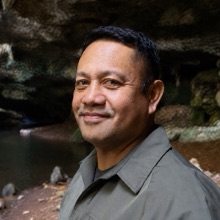 Written with Hemi Williams, Waitomo cave guide and local specialist, guiding since 2015
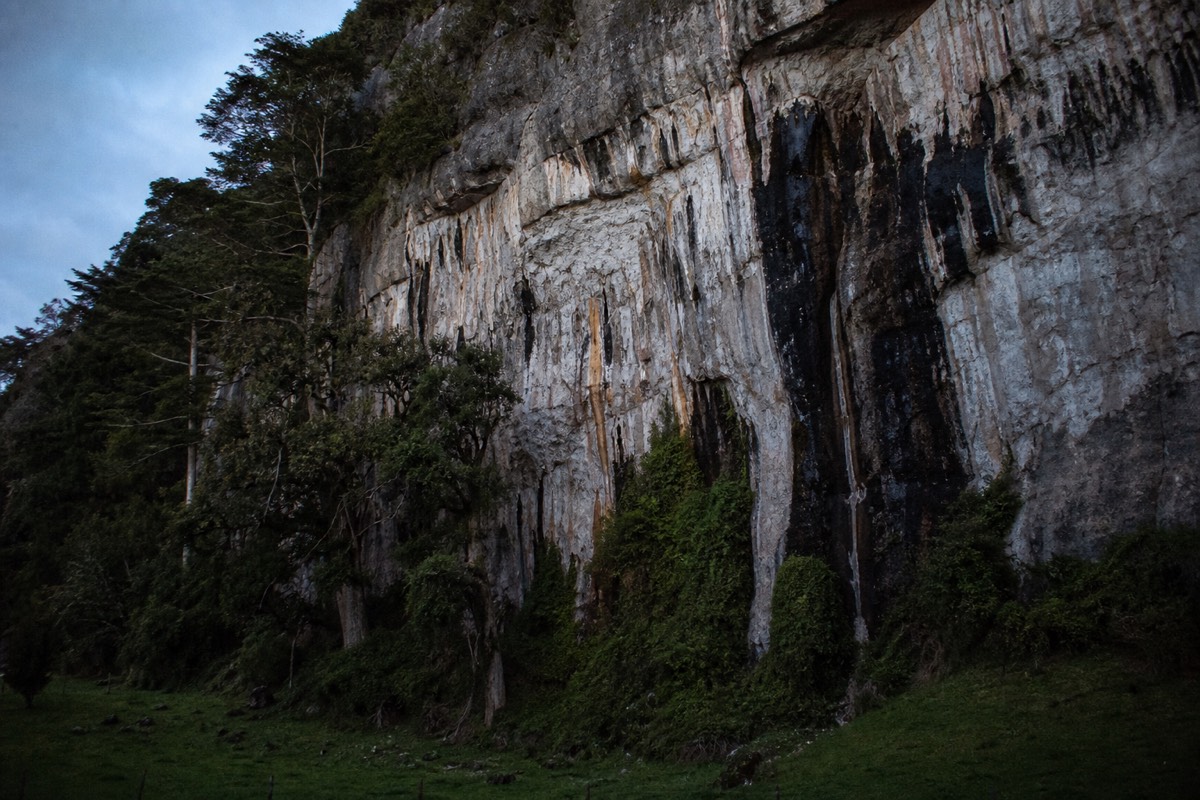
Most cave attractions have a discovery story and stop there. Waitomo has a second one, and it is the more unusual of the two: a natural asset taken into state administration in 1906 and handed back, in full, in 1989. That is not a common ending, and it is why the guide talking to you may be a direct descendant of the man who first surveyed the cave.
Who owns the Waitomo Glowworm Caves?
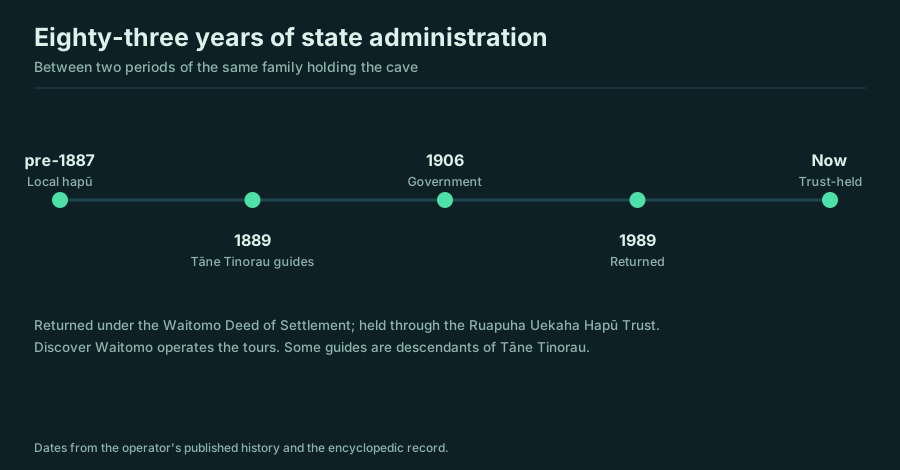
The descendants of the original owners, through the Ruapuha Uekaha Hapū Trust. The caves were returned to them in 1989 under the Waitomo Deed of Settlement, after eighty-three years of government administration that began in 1906. Discover Waitomo operates the tours on that land.
The distinction between ownership and operation matters here, and it is one that attraction pages tend to blur. The Trust holds the caves. The operator runs the visitor business. Neither of those is this site, which is an independent guide with an affiliate relationship and nothing else.
| Period | Who held it |
|---|---|
| Before 1887 | The local hapū, with knowledge of the cave predating the survey |
| 1889 to 1906 | Tāne Tinorau, running tours himself |
| 1906 to 1989 | Government administration |
| 1989 onwards | Returned to the descendants; held through the Ruapuha Uekaha Hapū Trust |
What happened in 1906?
The government took over administration of the cave, seventeen years after Tāne Tinorau had opened it to paying visitors. The encyclopedic record and the operator's own history both carry the date.
Seventeen years is worth pausing on. This was not an undiscovered natural feature being brought into public stewardship. It was a working business, opened and guided by the man whose people held the land, taken into state hands while it was operating. The cave did not need finding; it needed keeping.
What followed was eight decades in which the caves became a national attraction and the family that had opened them did not hold them.
Three separate roles get blurred on most pages about this place. They are not the same.
| Role | Who |
|---|---|
| Owns the caves | Descendants of the original owners, via the Ruapuha Uekaha Hapū Trust |
| Operates the tours | Discover Waitomo |
| Sells the booking | GetYourGuide, among other platforms |
| Writes this page | An independent affiliate site with no other relationship |
Does it change the tour?
It changes who is talking to you. Some guides on the Glowworm Caves tour are descendants of Tāne Tinorau, and the commentary reflects a relationship to the cave rather than a set of facts about it.
Reviewers notice this without always being able to name it. One wrote that her guide "sang a beautiful Maori song in the caves cathedral, its was so moving". Another said of a different guide that she loved "all the knowledge he had about the caves and the glow worms". A third: "Being able to see how the glowworms live and how the people take care of them as well."
That last phrase is the one worth holding onto. The care is not incidental to the tour, and it explains the rules that visitors find most irritating. The total photography ban, the request for silence on the boat, and the continuous air monitoring against a carbon dioxide ceiling all come from treating the colony as something being kept rather than something being shown.
Where the story shows up in what a visitor actually experiences.
| On the tour | What it reflects |
|---|---|
| Guides who are descendants of Tāne Tinorau | The 1989 return |
| Waiata sung in the Cathedral | A relationship to the place, not a script |
| Active conservation rules | The colony treated as something kept, not shown |
Why does this rarely appear on travel pages?
Because it does not fit the format. A cave attraction wants a discovery story and a list of things to see. Eighty-three years of administration and a deed of settlement is not a bullet point, and it does not photograph.
It also complicates the marketing. It is easier to write about an ancient natural wonder than about a place with owners, a history of dispossession and a return. But the second version is the accurate one, and the first version quietly writes the people out of a story they are the centre of.
This site is an independent guide, not the operator and not the landowner, which means we have no stake in either telling. The record is what it is: 1887, 1889, 1906, 1989. The first descent covers the beginning of it.
What should a visitor do with this?
Nothing performative. Just know it, and let it change what you listen to. The complaint that dominates reviews of this tour is that the walking section is long and the boat is short. The walking section is where the guide talks, and what the guide is talking about is a cave their family surveyed, lost and got back.
Visitors who arrive knowing that tend to describe the 45 minutes differently. The breakdown of where the time goes sets out each section, and the honest round-up of the criticisms is the counterweight if you want both sides before booking.
The 45-minute guided cave tour is the one that includes the Grotto, and you can check live availability and prices on GetYourGuide with free cancellation up to 24 hours before.
What does the Trust structure mean in practice?
That ownership and operation are two different things, and most pages about this place blur them. Being precise costs nothing and matters to anyone who cares whose land they are standing on.
| Function | Who |
|---|---|
| Owns the caves | Descendants of the original owners, via the Ruapuha Uekaha Hapū Trust |
| Operates the tours | Discover Waitomo |
| Sells the tickets | The operator directly, and platforms including GetYourGuide |
| Employs the guides | The operator; some guides are descendants of Tāne Tinorau |
| Writes this page | An independent affiliate site with no other relationship |
The last row is there because it belongs there. We earn a disclosed commission when a reader books through our link, and we have no connection to the Trust or the operator beyond that.
How does this compare with other returned sites?
It is unusual for a commercially significant natural attraction, and unremarkable in the wider context of New Zealand settlements. What makes Waitomo notable is not that a return happened but that the asset was already a working tourism business when it was taken and when it came back.
| Feature | Waitomo Glowworm Caves |
|---|---|
| Taken into government administration | 1906, seventeen years after it opened to visitors |
| Duration of state administration | 83 years |
| Returned | 1989, under the Waitomo Deed of Settlement |
| Held today by | The Ruapuha Uekaha Hapū Trust |
| Still operating commercially | Yes, up to 500,000 visitors a year |
That last line is the part worth sitting with. This is not a restored ruin or a memorial. It is a functioning business on returned land, and a share of what visitors spend flows to the descendants of the people who opened it.
Who owns the Waitomo Glowworm Caves?
The descendants of the original owners, through the Ruapuha Uekaha Hapū Trust, following the return of the caves in 1989 under the Waitomo Deed of Settlement. Discover Waitomo operates the tours on that land. The two roles are separate.
When were the caves returned?
In 1989, ending eighty-three years of government administration that began in 1906. Before that the cave had been opened to paying visitors around 1889 by Tāne Tinorau, the chief who first surveyed it with Fred Mace in 1887.
Are the guides descendants of the original owners?
Some are. Discover Waitomo states that guides include descendants of Tāne Tinorau. Reviewers frequently single out the guiding as the strongest part of the tour, particularly the commentary and the singing in the Cathedral chamber.
Does this site have any connection to the owners?
None. This is an independent guide with an affiliate relationship to GetYourGuide and no relationship at all to the Trust or the operator. We link to the operator's official listing and earn a disclosed commission if you book through it.
Does the ownership affect how the cave is run?
Visibly. Visitor numbers are managed against a carbon dioxide ceiling of around 2,400 parts per million, photography is prohibited entirely to protect the colony, and silence is requested on the boat. Those are conservation measures on a site handling up to 500,000 people a year.